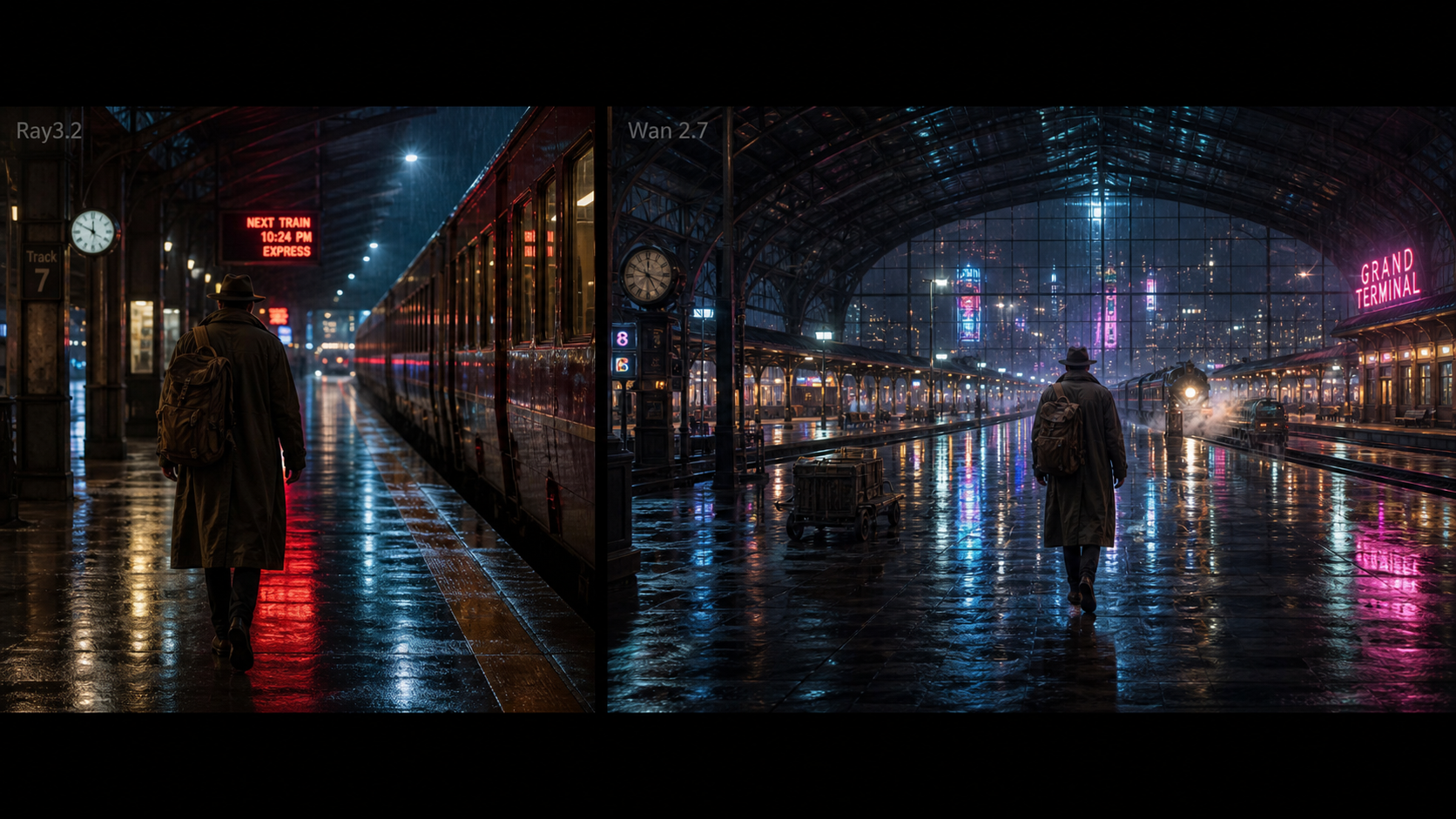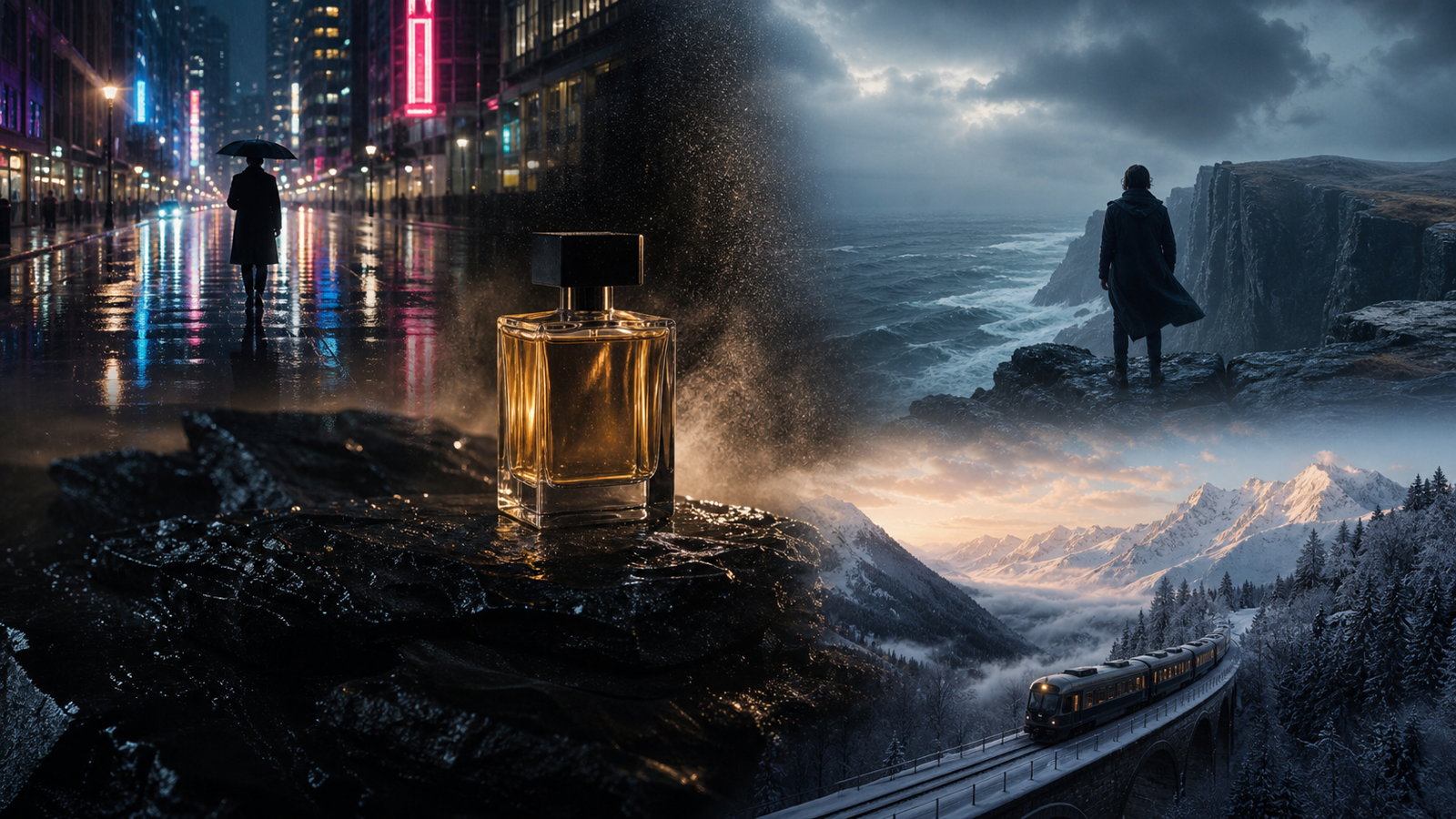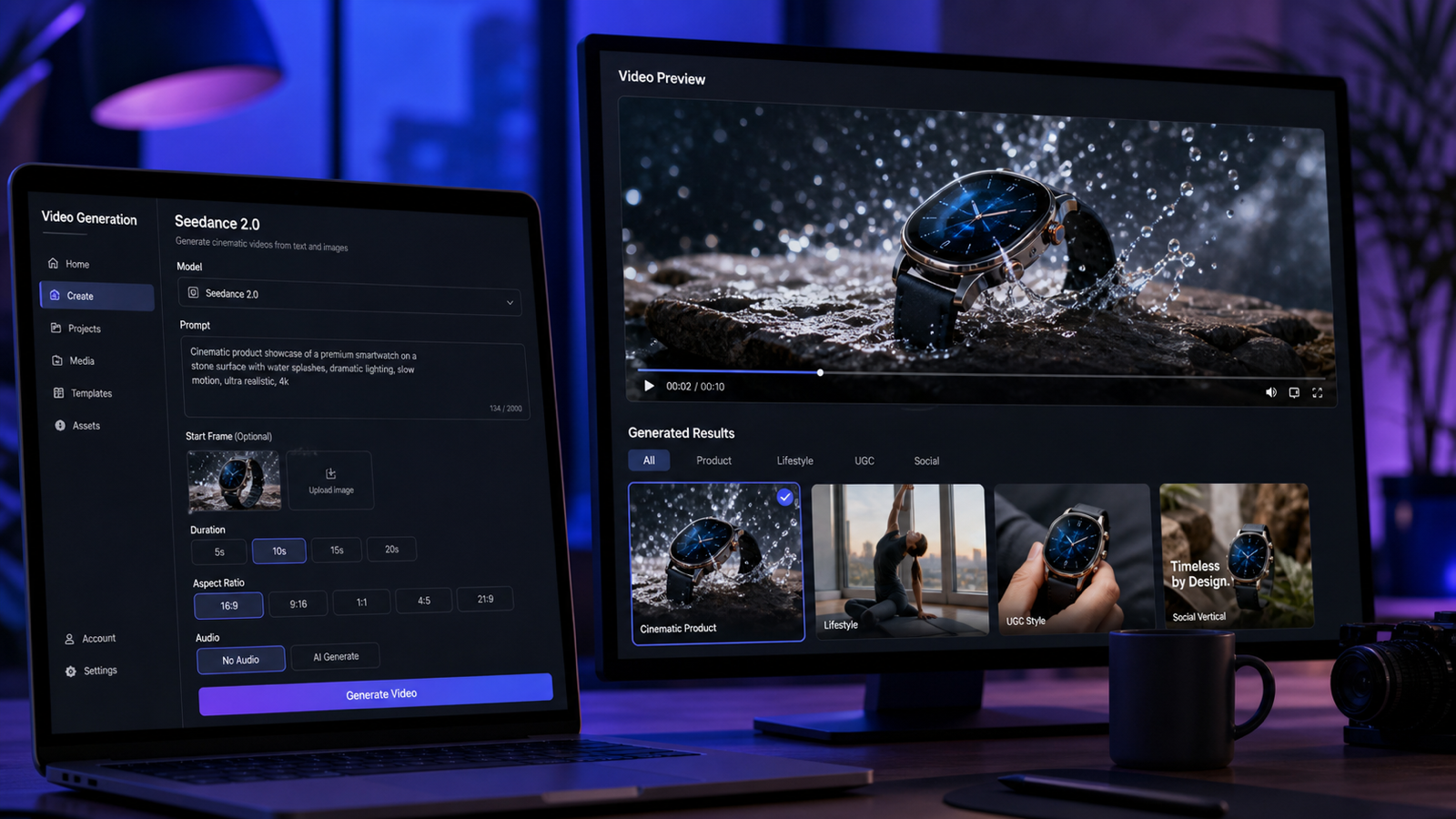
The Seedance 2.0 AI video generator on DreamMachine AI is useful when you want short AI videos from clear natural-language prompts, product photos, reference images, or start-frame ideas. This practical guide is for creators, marketers, social video editors, product sellers, and AI video beginners who want better Seedance 2.0 prompts without guessing from scratch.
Use the examples below as copy-ready starting points for cinematic scenes, product videos, UGC-style ads, social clips, and Seedance 2.0 image to video workflow tests. AI video output can vary by model version, source image, prompt clarity, duration, ratio, and motion complexity, so review every result before publishing.

What Seedance 2.0 Can Help You Create on DreamMachine AI
Seedance 2.0 is most useful when your video idea has one clear subject, one visible action, and a camera direction the model can follow. In a browser-based DreamMachine AI workflow, that can mean a skincare product reveal, a coffee lifestyle shot, a faceless study clip, a cinematic travel moment, or a short product demo for a social ad.
For creators, this makes Seedance 2.0 practical for Reels, TikTok videos, Shorts, mood clips, and quick B-roll concepts. For marketers and product sellers, it can help turn a product photo or prompt into a testable video direction before spending time on a larger shoot. For beginners, it gives a structured way to learn how scene, action, camera, lighting, mood, and audio affect Seedance 2.0 video generation.
The best results usually come from simple motion. A bottle sits on marble while the camera pushes in. A creator adjusts a lamp. Steam rises from coffee. A traveler stands near a lake while the jacket moves in the wind. These are easier to control than prompts that ask for many cuts, multiple locations, changing characters, and complicated transformations at the same time.

How to Use DreamMachine AI for Seedance 2.0 Video Generation
DreamMachine AI is a practical option if you want a simple browser workflow for testing Seedance 2.0 and other AI video models. Start from the Seedance 2.0 model page when you specifically want Seedance 2.0, or use the broader AI video generator when you want to compare text and image workflows.
Use this workflow:
- Open DreamMachine AI and choose Seedance 2.0 as the model.
- Upload a start image, reference image, or product photo if you need visual consistency.
- Write a prompt with scene, subject, action, camera, lighting, mood, audio, duration, and format.
- Set the ratio based on the channel: 9:16 for TikTok, Reels, and Shorts; 16:9 for YouTube and web embeds; 1:1 for square social posts.
- Choose a duration that fits the idea. Short clips are often easier to control when the action is simple.
- Generate the video.
- Review the clip for subject consistency, product accuracy, camera behavior, motion smoothness, audio fit, and clean composition.
- Refine the prompt by simplifying action, strengthening the reference image, or giving clearer camera and lighting direction.
This repeatable AI video generation workflow works better than expecting the first output to be final. Treat each generation as a draft, compare variations, then use editing tools for captions, music, final pacing, and publishing checks.

Reusable Seedance 2.0 Prompt Guide Formula
A useful Seedance 2.0 prompt guide starts with production details, not vague adjectives. The model needs to know what is visible, what moves, how the camera behaves, and what mood the clip should communicate.
Copy this formula:
Create a [duration] Seedance 2.0 AI video for [use case].
Scene: [subject] in [setting].
Action: [one clear motion or event].
Camera: [slow push-in / handheld / orbit / close-up / overhead / tracking shot].
Lighting: [natural / cinematic / studio / warm / neon / dramatic].
Mood: [realistic / UGC-style / luxury / emotional / playful / educational].
Audio: [ambient sound / voiceover / subtle music / product sound / no dialogue].
Format: [9:16 / 16:9 / 1:1].
Keep subject consistency, smooth motion, realistic camera behavior, and clean composition.
For Seedance 2.0 text to video prompts, define the full scene because the model has no visual anchor. For Seedance 2.0 image to video prompts, describe what should move and what should stay consistent: the product shape, face direction, outfit details, background, camera path, or lighting.

14 Copy-to-Use Seedance 2.0 Prompts for Creators and Sellers
The prompts below are written for practical AI video prompt examples across product videos, social clips, lifestyle scenes, and cinematic concepts. Replace the product, ratio, duration, source image, and call-to-action details based on your real project.
1. Skincare Serum Product Video
Create a 9:16 Seedance 2.0 product video for a skincare serum. The bottle sits on a marble bathroom counter with soft morning light and water droplets. Camera slowly pushes in while gentle steam moves in the background. Luxury but natural mood, subtle ambient sound, clean caption space.
Best for beauty brands, launch posts, and product page video tests.
2. Portable Blender UGC Video
Create a UGC-style video for a portable blender. A creator adds fruit and milk, blends quickly, pours the smoothie into a glass, and smiles at the camera. Handheld phone-camera style, bright kitchen lighting, realistic motion, cheerful social ad mood.
Best for an AI product video generator test where the product action is easy to see.
3. Cinematic Sneaker Product Video
Generate a cinematic sneaker product video. A futuristic sneaker rotates on a dark studio platform, blue rim lighting, reflective floor, slow orbit camera, smooth motion, premium commercial style, no readable brand text.
Best for premium product concepts and Seedance 2.0 cinematic video prompts.
4. Fashion Try-On Video
Create a fashion try-on video. A model stands in a minimalist studio, turns slowly toward the camera, and the outfit fabric moves naturally. Soft studio lighting, elegant editorial mood, realistic body movement, preserve clothing consistency.
Best for apparel sellers testing outfit motion before a live shoot.
5. Desk Transformation Video
Create a desk transformation video. A messy workspace becomes clean and organized as notebooks, keyboard, and coffee are arranged neatly. Overhead camera, satisfying quick cuts, natural daylight, calm productivity mood.
Best for faceless productivity clips and social editing tests.
6. Perfume Product Reveal
Generate a perfume product reveal. A perfume bottle sits on a reflective surface with soft flower petals around it. Slow camera tilt, pink and gold lighting, elegant luxury mood, subtle sparkle sound, clean composition, no readable brand text.
Best for launch teasers, brand moodboards, and polished product concepts.
7. Travel Memory Video
Create a travel memory video. A person stands beside a mountain lake at sunset, jacket moving slightly in the wind, slow push-in camera, cinematic color grading, emotional atmosphere, soft natural ambience.
Best for travel creators and emotional lifestyle edits.
8. Pet Product UGC Video
Create a pet product UGC video. A pet owner gently brushes a calm dog on the living room floor. Show the brush, loose fur, and a happy pet moment. Warm home lighting, realistic handheld camera, friendly social ad mood, avoid medical claims.
Best for pet product demos where the clip should feel warm and practical without risky claims.
9. Coffee Lifestyle Video
Generate a coffee lifestyle video. A hot coffee cup sits on a wooden cafe table while steam rises and sunlight moves across the surface. Slow cinematic pan, warm lifestyle mood, soft cafe ambience, realistic steam motion.
Best for cafes, morning routine posts, and AI short video generator tests.
10. Portable LED Lamp Tutorial
Create a product tutorial video for a portable LED lamp. A creator turns on the lamp beside a book, adjusts brightness, and moves it from desk to bedside table. Warm lighting, soft shadows, clear product action, cozy nighttime mood.
Best for utility products where the main feature can be shown in one clip.
11. Cinematic Story Scene
Create a cinematic story scene. A young traveler opens an old map under a streetlamp at night, light rain falling, camera slowly circles, moody city background, realistic reflections, quiet ambient sound, film trailer mood.
Best for film-style mood tests, trailer concepts, and narrative B-roll.
12. Phone Stand UGC Video
Generate a UGC video for a phone stand. A student places the stand beside a laptop, adjusts the angle, and joins a video call. Natural study-room lighting, close-up product shots, casual creator pacing, friendly voiceover style.
Best for desk accessories, student creators, and casual product demos.
13. Matcha Food Close-Up
Create a food close-up video. Matcha pours into milk over ice, the creator stirs slowly, and condensation forms on the glass. Close-up camera, bright natural light, satisfying liquid motion, gentle kitchen sounds.
Best for food creators and close-up motion tests where liquid movement matters.
14. Faceless Study Video
Create a faceless study video. Hands open a notebook, write a to-do list, place a coffee beside the laptop, and turn on a desk lamp. Overhead camera, warm lighting, calm productivity mood, soft ambient music.
Best for study-with-me posts, faceless channels, and calm productivity edits.
These text to video prompt examples work best when you keep the main subject visible and the action narrow. If a prompt feels too busy, split it into multiple clips and edit the strongest outputs together.

Seedance 2.0 Image-to-Video and Text-to-Video Prompt Workflows
Use the image to video AI generator workflow when visual consistency matters. Product sellers can upload a product photo, fashion teams can upload an outfit image, and creators can upload a reference frame before asking Seedance 2.0 to add camera movement, environmental motion, or a small product action.
Good image to video prompts for creators explain what moves and what should stay stable. For example: "keep the perfume bottle shape consistent, add a slow camera orbit, move flower petals slightly, and maintain soft pink-gold lighting." That is different from text-to-video, where the prompt must describe the whole scene from scratch.
Use a text to video AI workflow when you are exploring a new story idea, cinematic scene, faceless clip, or social B-roll concept without an existing image. In that case, include more scene detail: subject, setting, action, camera movement, lighting, mood, audio, format, and composition.
If you want to turn image into video with AI, start with a clean source image and ask for one clear motion. If you want an AI video generator from text prompts, keep the first version simple, then refine after you see what the model does well.

How to Refine Seedance 2.0 Prompts When the First Result Is Off
Prompt refinement is where most Seedance 2.0 videos improve. If the first output is close but not usable, do not only add more adjectives. Make the request easier to execute by clarifying the subject, reducing motion complexity, and giving one camera direction.
Use these fixes:
- If the subject changes, upload a clearer start image and ask the model to preserve the product, outfit, person, or object.
- If motion looks chaotic, reduce the clip to one action: pour, rotate, open, walk, stir, adjust, reveal, or push in.
- If the camera feels random, specify one camera move: slow push-in, handheld, orbit, close-up, overhead, or tracking shot.
- If the product is not visible enough, ask for a centered close-up with clean background and caption space.
- If generated text looks unreliable, ask for no readable text and add captions in your editor.
- If the clip feels too long for the idea, reduce duration or break the idea into multiple shots.
- If the mood feels wrong, define lighting and audio together, such as warm desk lamp with soft ambient music.
The practical rule is simple: revise for clarity before adding complexity. A strong DreamMachine AI prompt guide should tell the model what to preserve, what to move, and how the camera should behave.

Publishing Checks for Commercial AI Video Use
AI video clips can be visually useful and still need legal, editorial, and platform review before commercial use. Before publishing generated videos, check the rights and claims behind every source asset, audio choice, product statement, and distribution channel.
Review these items:
- Commercial usage rights: Confirm DreamMachine AI terms, plan limits, export rights, and allowed use cases for your intended project.
- Source assets: Make sure you have rights to uploaded product photos, reference images, logos, packaging, video, and audio.
- Product claims: Avoid medical, financial, beauty, fitness, sustainability, safety, or performance claims you cannot support.
- Music and audio rights: Verify whether voiceover, uploaded audio, music, or sound effects can be used commercially.
- Platform policies: Check TikTok, Instagram, YouTube, ad platforms, and marketplace rules before posting or running paid campaigns.
- Privacy settings: Keep sensitive product, client, or unreleased campaign tests private when needed.
- Brand safety: Review hands, faces, background objects, visible text, unintended logos, and misleading implications.
This caution matters for an AI video generator for social media because social ads move quickly. A clip can look ready and still need compliance review, rights checks, product-claim verification, and editing before it belongs on a brand channel.

Recommended Articles for Seedance 2.0 and AI Video Workflows
Use these articles when you want to compare model workflows, improve prompt quality, or build a broader AI video creation process on DreamMachine AI.
Related articles:
- Seedance 2.0 Video Generation Guide: How to Create Better AI Videos
- The Release of Seedance 2.0: What Dropped, What's New, and What Creators Should Do Next
- How to Use DreamMachine AI's AI Video Generator: A Practical Guide for Text and Image Workflows
- Wan 2.7 Prompt Tips: How to Make AI Videos Feel More Human and Realistic
- PixVerse V6 AI Video Generation: A Creator-Friendly Guide to Better Prompts, Cleaner Motion, and Smarter Results
- Try Veo 3.1 in Dream Machine AI: A Practical Guide to Text-to-Video and Image-to-Video Creation
People also read:
- Seedance 2.0 Video Generation Guide: Tutorial + Prompts
- Seedance 2.0 Prompt Tips for More Human, Realistic AI Video
- Seedance 2.0 for TikTok Videos: How Creators Can Turn Ideas Into Scroll-Stopping Clips
- Seedance 2.0 API Guide: How to Use Flaq AI for Faster Text-to-Video Workflows
- How to Use Seedance 2.0 on SeaImagine AI to Make Better Short Videos
- Seedance 2.0 Video Generation Guide: How to Get Controlled, Consistent Results

FAQ: Seedance 2.0 Prompts on DreamMachine AI
What makes a good Seedance 2.0 prompt?
A good Seedance 2.0 prompt defines the subject, setting, one clear action, camera movement, lighting, mood, audio, ratio, duration, and consistency goal. It should read like a short production brief, not a loose idea.
Should I use text-to-video or image-to-video?
Use text-to-video when you are exploring a new idea from scratch. Use the AI photo to video generator or image-to-video workflow when product shape, character look, outfit, background, or start-frame consistency matters.
Can I use Seedance 2.0 for product videos?
Yes, Seedance 2.0 can be useful for product video concepts, social ads, tutorial drafts, and image-to-video tests. For commercial use, verify rights, claims, platform rules, privacy settings, and audio permissions before publishing.
Why does the same prompt produce different results?
AI video output can vary because of model version, prompt wording, source image quality, duration, ratio, random generation behavior, and motion complexity. Save strong results and refine from the version that is closest to your goal.
How can I make Seedance 2.0 videos feel more realistic?
Keep the scene simple, use one main motion, specify realistic camera behavior, avoid too many transformations, and use clear lighting direction. If you upload an image, describe what should move and what should stay visually consistent.

Conclusion: Build a Repeatable Seedance 2.0 AI Video Generator Workflow
The best way to use a Seedance 2.0 AI video generator is to build a repeatable workflow: choose the model, upload a reference image when needed, write a structured prompt, set ratio and duration, generate, review, and refine. The prompts in this guide give you starting points for product clips, UGC-style ads, cinematic scenes, social videos, and image-to-video tests.
DreamMachine AI is a practical browser-based option for creators who want to test Seedance 2.0 and other AI video models without building a complex toolchain. Start with one simple idea, keep the subject consistent, and improve each version based on what the previous output actually shows.